
How Should You Brush and Floss with Braces?
Brushing and flossing are more important than ever during orthodontic treatment. Because braces create additional spaces where food and plaque can collect, maintaining excellent oral hygiene helps prevent cavities, staining, and gum inflammation.
Patients who struggle with keeping their teeth clean may need more frequent professional cleanings during treatment. Adults with a history of gum disease should continue seeing their periodontist while wearing braces. Proper home care plays a major role in achieving a healthy, beautiful final result.
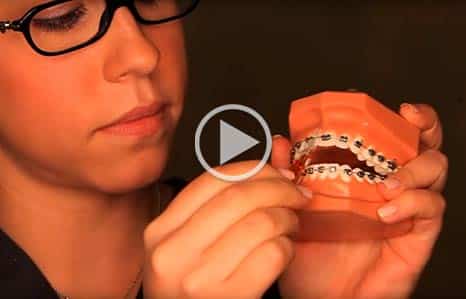
What Can You Eat with Braces?
One of the most common questions about life with braces is what you can safely eat. After an adjustment, stick to soft foods for the first day or two while your teeth adjust. Soon after, you’ll be able to return to most of your regular meals — with a few precautions.
Protecting your braces while eating helps prevent broken brackets and wires, which can delay treatment.
Foods to Avoid
To keep your orthodontic appliances in good condition, avoid:
- Chewy foods: bagels, hard rolls, licorice
- Crunchy foods: popcorn, ice
- Sticky foods: caramel, gum
- Hard foods: nuts, hard candy
- Foods you bite into: corn on the cob, whole apples, raw carrots
Chewing on non-food items like pens, pencils, or fingernails can also damage braces. Broken appliances may extend your treatment time and require additional repair appointments.
Is Soreness Normal After Getting Braces?
It’s completely normal to feel general soreness for 3–5 days after getting braces or following an adjustment. Teeth may feel tender when biting, and your lips and cheeks may need a week or two to adjust.
Over-the-counter pain relief such as Tylenol can help ease discomfort. Orthodontic wax can be applied to brackets or wires that cause irritation. We’ll provide wax and show you how to use it for added comfort.
Why Do Teeth Feel Loose During Orthodontic Treatment?
Teeth may feel slightly loose during treatment — and while that can sound concerning, it’s actually a normal and necessary part of the process. Teeth must loosen slightly in order to move into their corrected positions. Once treatment is complete, they will stabilize in their new alignment.
What Should You Do If a Wire or Band Comes Loose?
Occasionally, a wire or band may loosen. If a wire is irritating your cheek or lip, you can gently use the eraser end of a pencil to move it out of the way, or cover it with orthodontic wax.
If discomfort continues, place wax or wet cotton over the area and contact our office as soon as possible so we can schedule a repair visit.
Rubber Band Wear
Successful orthodontic treatment requires teamwork. Wearing rubber bands or other prescribed appliances exactly as instructed is essential to achieving the best results on time. Inconsistent wear can delay progress and extend treatment time.
Athletics and Braces
If you play sports, please let us know. A properly fitted protective mouthguard is essential for contact sports to protect both your braces and your smile.
Frequently Asked Questions
Adjusting to life with braces comes with a learning curve, and it’s normal to have questions along the way. Below are answers to common concerns patients in Yelm and Tacoma have about caring for their braces and protecting their smile during treatment.
How Long Does It Take to Get Used to Braces?
Most patients adjust within one to two weeks. Your lips and cheeks naturally adapt, and everyday activities like eating and speaking quickly feel normal again. The first few days are typically the most noticeable, but improvement happens fast.
Can I Drink Coffee or Soda with Braces?
You can, but moderation and good oral hygiene are key. Sugary and acidic drinks can increase the risk of staining and cavities around brackets. Rinsing with water afterward and brushing regularly helps protect your teeth during treatment.
What Happens If I Swallow a Small Piece of My Braces?
In most cases, accidentally swallowing a tiny elastic or small piece of wire is not harmful and will pass naturally. However, if you experience discomfort or concern, contact our office right away so we can guide you.
How Often Should I Replace My Toothbrush with Braces?
Because brackets can wear down bristles more quickly, it’s a good idea to replace your toothbrush every 3 months, or sooner if it becomes frayed. Many patients find that using an orthodontic or electric toothbrush makes cleaning easier.
Can I Play Musical Instruments with Braces?
Yes. There may be a short adjustment period, especially for wind instrument players, but most musicians adapt quickly. Orthodontic wax can help reduce irritation while you adjust.